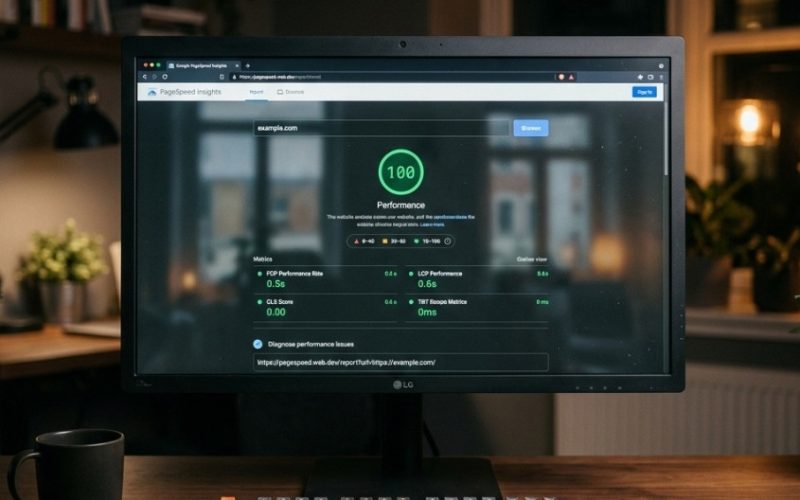


The Strategic Visual Power of Frosted Glass UI
Frosted Glass UI, popularized by modern operating systems and premium web design frameworks (often termed Glassmorphism), has evolved from a visual trend into a powerful conversion-rate optimization (CRO) tool. By layering translucent surfaces over vibrant, ambient backgrounds, glass UI creates visual depth, establishes optical hierarchy, and directs visitor focus toward primary conversion actions.
Why Glassmorphism Captures Attention and Boosts Engagement
Human cognition prioritizes visual depth and contrast. Traditional flat UI elements often blend into uniform backgrounds, making call-to-action (CTA) buttons and lead forms feel disconnected. Glassmorphic cards solve this challenge by creating a layered multi-dimensional space.
The semi-transparent background allows subtle light and color from the background to bleed through, signaling depth to the brain. This subtle blur anchors user attention on the foreground text and interactive buttons, creating a premium look that boosts brand perception and trust.
Visual Attention Mapping and F-Shaped Patterns
Eyetracking research shows that modern web users scan pages in F-shaped patterns, quickly skipping over dense text walls. When call-out elements and interactive metrics are enclosed in frosted glass containers, the visual refraction acts as an optical stop sign. The eye pauses on the blurred card because the brain recognizes the element as a distinct, elevated layer containing high-priority data.
CSS Backdrop Filter Performance Optimization
Backdrop blurs are visually appealing but computationally expensive. The browser must capture the rendering coordinates behind the card, apply a gaussian blur, saturate the colors, and composite the layer back onto the screen during every scroll event. To prevent scrolling lag:
- Apply
will-change: transformto glass containers to enable GPU composite acceleration. - Avoid nesting multiple glass panels inside one another, which forces redundant blur calculations.
- Keep the blur radius at or below 20px to avoid slowing down rendering speeds on older mobile devices.
Technical CSS Architecture for Glass UI
Creating lightweight, performant frosted glass in pure CSS requires combining back-drop filters, background opacities, and subtle border highlights. Here is the core structure used in modern high-converting layouts:
- Backdrop Filtering: Using
backdrop-filter: blur(16px) saturate(180%)to blur background elements while enhancing color vibrancy behind the glass panel. - Translucent Surface: Using HSL or RGBA background colors like
background: rgba(255, 255, 255, 0.05)in dark themes orrgba(255, 255, 255, 0.7)in light themes. - Subtle Border Lighting: Adding a 1px border with gradient opacity (
border: 1px solid rgba(255, 255, 255, 0.15)) to define the boundary of the card against ambient backdrops. - Soft Radial Shadows: Applying
box-shadow: 0 8px 32px 0 rgba(0, 0, 0, 0.37)to elevate the glass container off the canvas.
Glow Borders and Interactive Light Sweeps
To further drive conversion rates, add interactive animations to frosted glass components. Implementing a subtle CSS gradient border hover effect or an overlay light sweep makes cards feel highly responsive. As users move their cursor over a pricing card, a glowing border highlights the package, prompting clicks and increasing card interaction rates.
Optimizing Glass UI Across Light and Dark Themes
A critical consideration when building frosted glass elements is maintaining high contrast and readability across both dark and light modes. In dark themes, glass cards require crisp white text and bright accent borders to remain legible. In light themes, glass elements require subtle dark drop shadows and high-contrast typography.
Always verify contrast ratios against Web Content Accessibility Guidelines (WCAG AAA standards). Test text readability across different background image positions to ensure text remains crisp regardless of background movement.
Measuring Glassmorphism Conversion Lift via A/B Testing
When conducting split testing between standard solid cards and glassmorphic cards, data across SaaS landing pages and agency booking pages reveals a consistent uplift in conversion performance. Visitors interact more frequently with illuminated glass CTAs because the visual contrast separates primary actions from surrounding text content.
Form Fields and Checkout Funnels in Glassmorphism
Applying glassmorphism to checkout funnels and contact forms provides clean, uncluttered visual feedback. A frosted background keeps input text readable while preserving the color styling of the site background. This layout structure makes input forms feel premium, reducing form friction and checkout abandonment.
Browser Fallbacks and Accessibility Settings
Not all browsers render backdrop filters uniformly. Legacy user agents may display glass panels as fully transparent sheets, exposing background content and breaking readability. To resolve compatibility issues, always define a fallback background color before declaring the filter property. This ensures that browsers without support will display a solid, readable container background.
Where to Apply Glassmorphism for Maximum Conversions
To maximize conversion rates, apply glassmorphic styling selectively to high-impact conversion touchpoints across your pages:
- Sticky Navigation Headers: Translucent headers maintain brand visibility without obscuring page content as users scroll.
- Lead Generation Forms: Glassmorphic cards isolate input fields, making form submission feel smooth and focused.
- Featured Service Tiers: Elevating pricing cards with glass highlights guides users toward high-tier packages.
- Floating Metric Badges: Trust indicators such as client ratings and growth metrics stand out when floating over dynamic page elements.
Conclusion
Frosted Glass UI is more than an attractive aesthetic—it is an intentional design system that improves visual hierarchy and elevates digital authority. When implemented with performance-first CSS and clear accessibility standards, glassmorphism transforms simple web pages into modern conversion engines.